
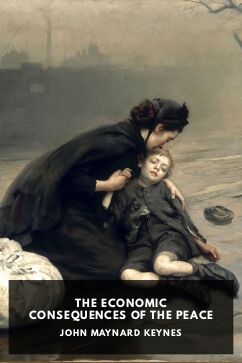
The Economic Consequences of the Peace - John Maynard Keynes
This isn't a novel, but the story it tells has all the drama of one. In 1919, the world's most powerful men—Woodrow Wilson, Georges Clemenceau, David Lloyd George—gathered in Paris to build a lasting peace after World War I. John Maynard Keynes, a young British economist, was part of the UK's Treasury team. What he witnessed horrified him. The book is his account of those tense negotiations, where revenge and politics overpowered economic sense. The Allies, especially France, demanded that Germany pay for the entire cost of the war. The final treaty stripped Germany of land, resources, and imposed reparations so huge they were impossible to pay. Keynes argued this wouldn't rebuild Europe; it would crush the German economy and, by extension, hurt all of Europe's ability to recover and trade.
Why You Should Read It
You should read this because it feels incredibly alive and urgent, even a century later. Keynes writes with a mix of sharp analysis and raw frustration. He paints vivid, sometimes biting, portraits of the leaders, making them feel like real people making catastrophic mistakes. The core idea is powerful and simple: punishing a defeated enemy into poverty is a recipe for future conflict. It’s a lesson about the interconnectedness of economies and the danger of letting short-term political wins destroy long-term stability. When you read his warnings about hyperinflation, political extremism, and broken trade, you can't help but think of the rise of Hitler and the Great Depression, which unfolded just as he feared.
Final Verdict
This book is perfect for anyone curious about how the 20th century turned out the way it did. It's for history buffs who want the insider view of a world-changing event, and for anyone interested in politics or economics who wants to see a brilliant mind at work. It’s also surprisingly accessible—Keynes avoids dense jargon and writes to persuade the public. If you've ever wondered how the decisions of a few in a closed room can ripple out for generations, this is the essential, gripping read. It’s less of a dry textbook and more of a fired-up, prophetic lecture you wish everyone had listened to.
You are viewing a work that belongs to the global public domain. You can copy, modify, and distribute it freely.
Donald Thompson
1 month agoI've gone through the entire material twice now, and the breakdown of complex theories into digestible segments is masterfully done. It cleared up a lot of the confusion I had previously.
David Jones
11 months agoIf you're tired of surface-level information, the objective evaluation of the pros and cons is very refreshing. I'll be citing this in my upcoming project.
Joseph Garcia
2 years agoImpressive quality for a digital edition.
Susan Martinez
2 years agoIt took me a while to process the complex ideas here, but the author’s unique perspective adds a fresh layer to the discussion. I feel much more confident in my knowledge after finishing this.




Emily White
2 years agoI wanted to compare this perspective with traditional views, the inclusion of diverse viewpoints strengthens the overall narrative. This is a solid reference for both beginners and experts.